Why Cannes Ovations Are Getting Out of Control: The Kevin Costner Phenomenon
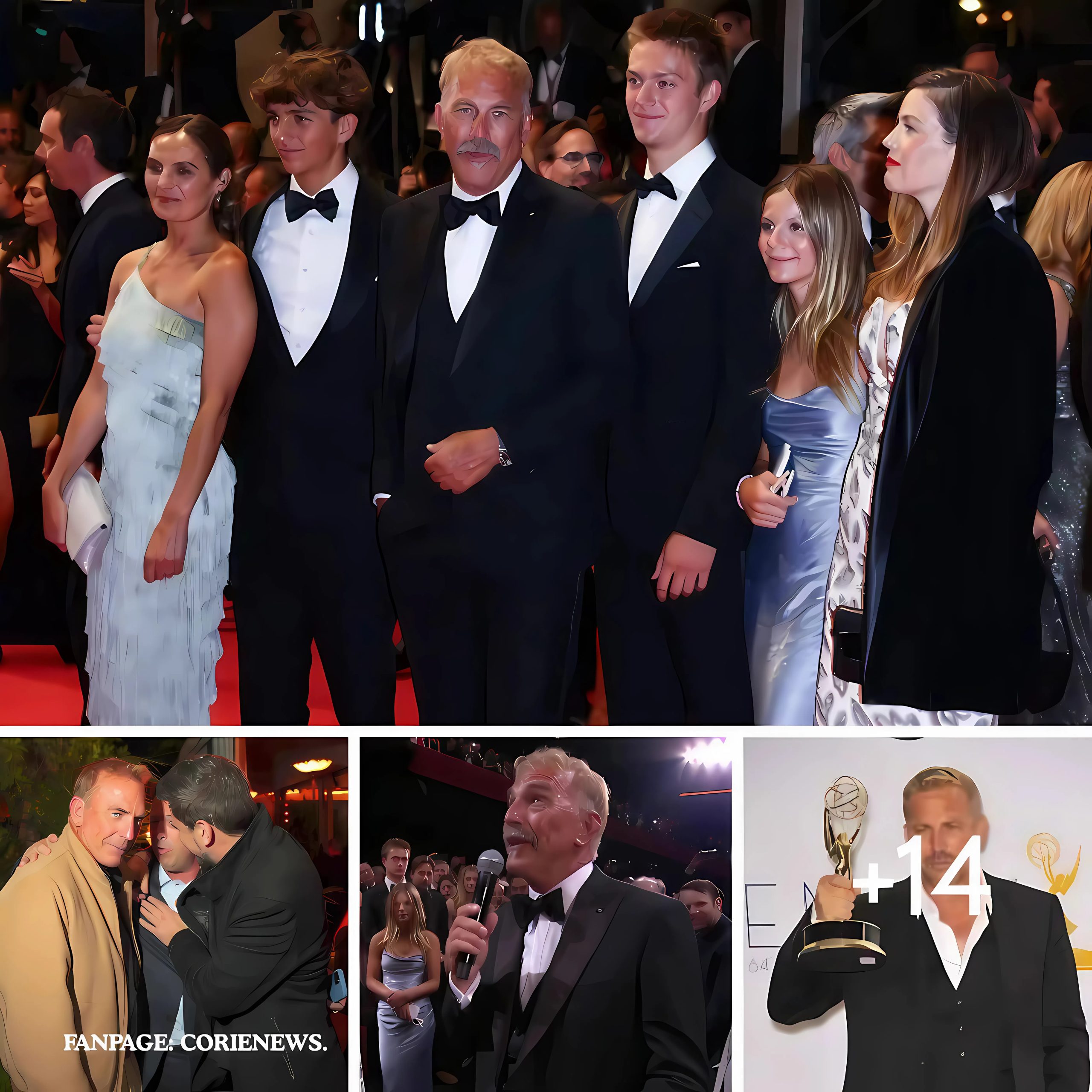
Have you ever watched a video of a film festival premiere and found yourself thinking, “Wait, are they still clapping?” If you caught the footage of Kevin Costner at the 2024 Cannes Film Festival, you know exactly what I mean. After his ambitious Western epic, Horizon: An American Saga, finished its premiere, the audience in the Grand Théâtre Lumière erupted into a standing ovation that lasted for roughly ten minutes.
Costner, who poured his heart, soul, and a reported $38 million of his own money into the project, couldn’t hold back the tears. It was a raw, human moment in a room usually known for its stiff formality. But why does Cannes do this? Is there a secret contest for the longest applause, or is it just the French way of saying, “Bravo”? Let’s break it down.
The Emotional Weight of ‘Horizon’

For Kevin Costner, Horizon wasn’t just another paycheck. It was a 36-year passion project. He had been developing the script since 1988, facing endless doors slammed in his face. To see it finally come to life, and to see a packed house in France celebrate it, was an incredibly heavy moment. When the applause began, you could see the sheer relief wash over his face. He wasn’t just an actor; he was a creator finally seeing his “baby” walk.
Why Was Kevin Costner So Moved?
The emotion wasn’t just about the applause—it was about the gamble. Costner mortgaged his own property to fund this epic. When you bet your house on a vision, the stakes aren’t just professional; they’re deeply personal. During his speech, he famously apologized to the crowd, saying, “I’m sorry you had to clap that long for me to understand that I should speak.” He was humbled by the genuine connection he felt with the audience.
The Ritual of the Cannes Standing Ovation
If you’re a film buff, you’ve noticed that Cannes ovations are notoriously long. We aren’t talking about a polite thirty seconds of hand-clapping. We’re talking about “get-your-legs-ready-to-cramp” lengths of time. Why? Part of it is cultural, but a huge part of it is performative.
Is the Length of the Ovation a Metric for Success?
There is an unofficial hierarchy at Cannes. In some circles, the length of the applause is treated like a star rating system. If a film gets five minutes, it’s decent. If it hits double digits, it’s a “triumph.” But critics have started to call this out. Does a ten-minute clap actually mean a film is a masterpiece, or does it just mean the audience is being polite?
The “Spotlight” Factor: Why the Clapping Never Ends
One major reason for the duration is simple logistics. At the end of a premiere, the camera operators inside the theater zoom in on each principal cast member one by one. The audience is effectively “required” to keep clapping until the camera has finished giving every person their moment of recognition. It’s like the final bow in a Broadway play—you wouldn’t walk out while the lead is taking their curtain call, would you?
The Social Pressure of the Grand Théâtre Lumière
Have you ever been in a room where everyone is standing and you’re the only one sitting? It feels awkward, doesn’t it? At Cannes, there’s an immense social pressure to keep the applause going. If you’re sitting next to a director you admire or a global movie star, you aren’t going to be the one who sits down first. The ovation becomes a self-perpetuating machine.
The Role of the “Distributor Bump”
Let’s be honest: long ovations serve as free marketing. If a film is looking for a distributor, a headline saying “10-minute standing ovation at Cannes” is a powerful tool to get buyers interested. Even if the film gets mixed reviews later, that initial buzz can be the difference between a flop and a hit.
When Does “Polite” Become “Absurd”?
While the respect for the craft is genuine, there’s definitely a point where it becomes a bit ridiculous. Some industry insiders have jokingly compared the tradition to an arms race. If one film gets an eight-minute ovation, the next one feels “under-appreciated” if it only gets seven. It’s an exhausting cycle that has turned into a bit of a festival meme.
The Viral Power of Emotional Moments
The viral nature of these moments—like Costner’s tearful speech—is a huge part of why we still talk about them. When you add a bit of real human emotion to the spectacle, the applause feels less like a corporate ritual and more like a shared experience. That’s why the Costner footage took off; it felt sincere in an environment that often feels entirely artificial.
Does the Ovation Predict the Oscars?
Spoiler alert: not really. Some of the longest ovations in Cannes history have been for films that were later forgotten or even panned by critics. A standing ovation is a snapshot of that specific night—the atmosphere, the glamour, and the excitement—not a definitive judgment of the movie’s quality.
Are the Actors Ever Uncomfortable?
Imagine standing there, smiling, for ten minutes while hundreds of people stare at you. It has to be awkward! You can see it in some of the footage—actors shifting their weight, checking their watches, or trying to figure out if they should bow again. It’s a strange, surreal experience that even the most seasoned stars have to navigate.
The Evolution of Festival Culture
Cannes is known for its rigid dress codes and old-school traditions. The standing ovation is just one part of this “pageantry.” While the modern digital age moves fast, these festivals cling to their traditions because they represent a world of high-end, exclusive cinema that feels removed from our daily lives.
What Should We Expect Next?
As long as there are film festivals, there will be long ovations. It’s part of the show. Whether it’s an authentic outpouring of love or a performative requirement, it’s something that isn’t going away anytime soon. Next time you see a headline about a “15-minute ovation,” just remember: part of that is the film, but a lot of it is just the Cannes experience.
Reflecting on Kevin Costner’s Legacy
Kevin Costner’s moment was a reminder of why we care about movies in the first place. Despite the circus of the festival, there was a real artist who was proud of his work. Whether Horizon succeeds or fails, that moment of vulnerability at Cannes will be remembered long after the applause fades.
A Final Word on the “Applause Arms Race”
The next time you see a countdown timer on a video of an ovation, don’t take it too seriously. It’s just the film world doing what it does best: putting on a show for the people in the room, and for the rest of us watching from home.
Conclusion
Cannes is a place of contradictions—glamour and grit, sincerity and spectacle. Kevin Costner’s tearful reaction was a rare, genuine glimpse into the soul of a filmmaker who truly cares about his project. While the long ovations are undeniably part of the “Cannes theater,” they occasionally capture a moment that feels truly special. So, the next time you see an absurdly long ovation, just remember: it’s the Cannes way of celebrating the dreamers, the gamblers, and the people who bet everything on the stories they want to tell.
FAQs
1. Why was Kevin Costner crying at Cannes?
Kevin Costner was moved to tears because of the overwhelming reception for Horizon: An American Saga, a passion project he had been developing for 36 years and personally financed.
2. How long was the standing ovation for Kevin Costner?
The standing ovation for Horizon at the 2024 Cannes Film Festival lasted for approximately ten minutes.
3. Why are Cannes standing ovations always so long?
They are often prolonged because the audience recognizes each cast member individually, and there is significant social and cultural pressure to keep the applause going as a sign of respect and festival tradition.
4. Do long ovations at Cannes mean a film is good?
Not necessarily. While they can indicate strong appreciation, they are also a form of pageantry and can be influenced by social pressure, the size of the cast, and festival atmosphere rather than the film’s actual quality.
5. Do the actors ever get tired of standing there?
Yes, it is often documented as an awkward experience for the talent, who must stand and smile while the audience continues to applaud, sometimes for several minutes on end.