
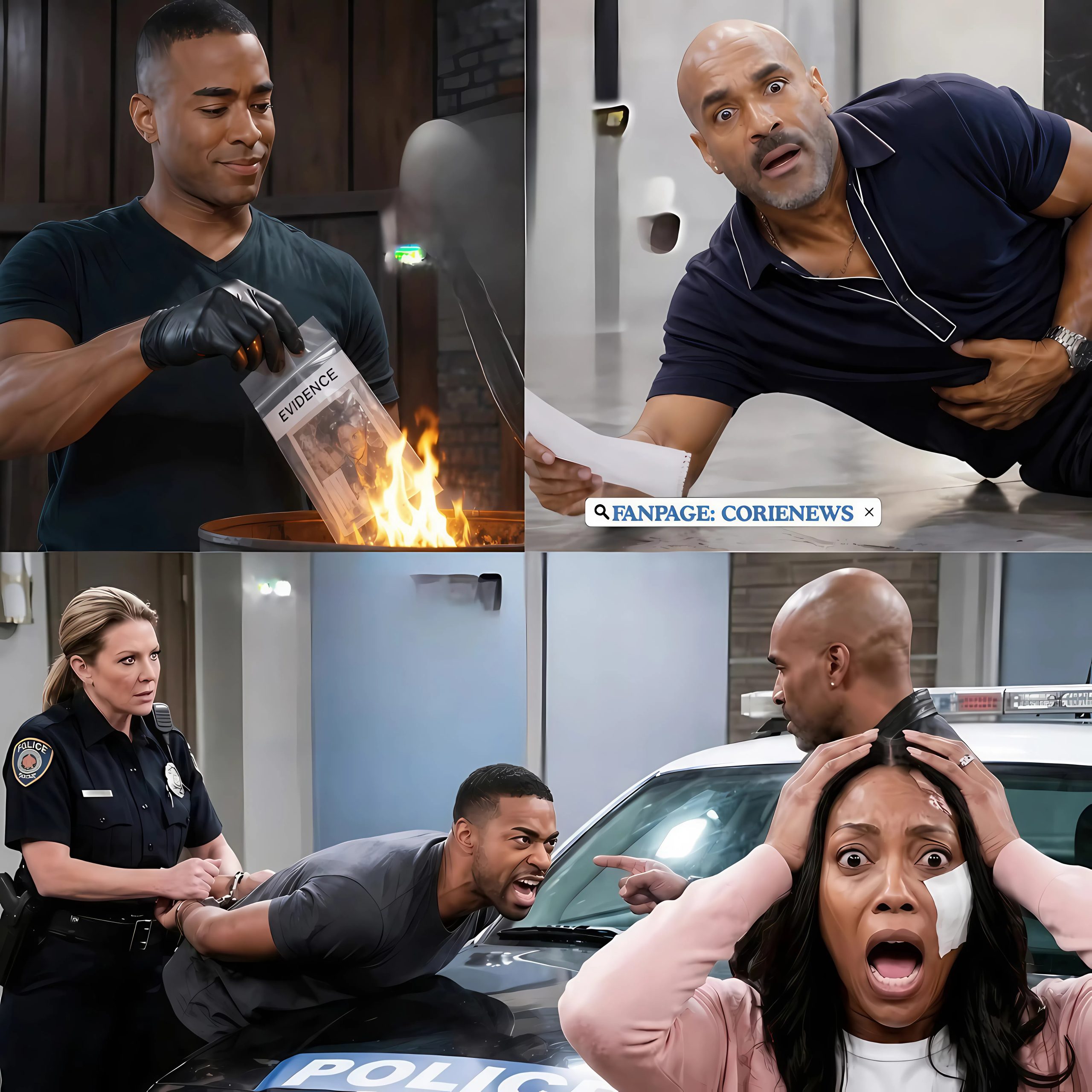
Shock! Curtis’ prison gamble could let Isaiah raise his baby instead | General Hospital Spoilers
On the latest twists inside General Hospital, emotions are running higher than ever as one impulsive act threatens to reshape several lives in Port Charles. What initially looked like a moment of heated confrontation has now spiraled into a full-blown legal and emotional crisis for Curtis Ashford—and the consequences may stretch far beyond the courtroom.
Curtis is now facing the reality that a single loss of control could define his entire future. After the shocking incident at Metro Court Gardens, where he lashed out and physically attacked Isaiah Gannon, the fallout has been immediate and severe. What might have felt like a split-second emotional reaction has transformed into criminal charges that could send Curtis straight to Pentonville.
At first glance, the situation looks like a standard soap opera conflict—tempers flare, fists fly, and consequences follow. But this storyline is digging much deeper. Curtis isn’t just dealing with legal trouble; he’s confronting the emotional weight of potentially destroying a talented surgeon’s career and altering multiple futures in one reckless moment. The realization that one punch could carry lifelong consequences is starting to sink in, and it’s hitting him harder than any physical blow ever could.
As the legal pressure intensifies, Curtis finds himself boxed in. Prosecutors aren’t backing down, and the case against him is strong enough that his options are shrinking fast. What once seemed like a temporary problem has turned into a life-altering crossroads. The most painful part is not just the possibility of prison—it’s the understanding that he created this situation himself.
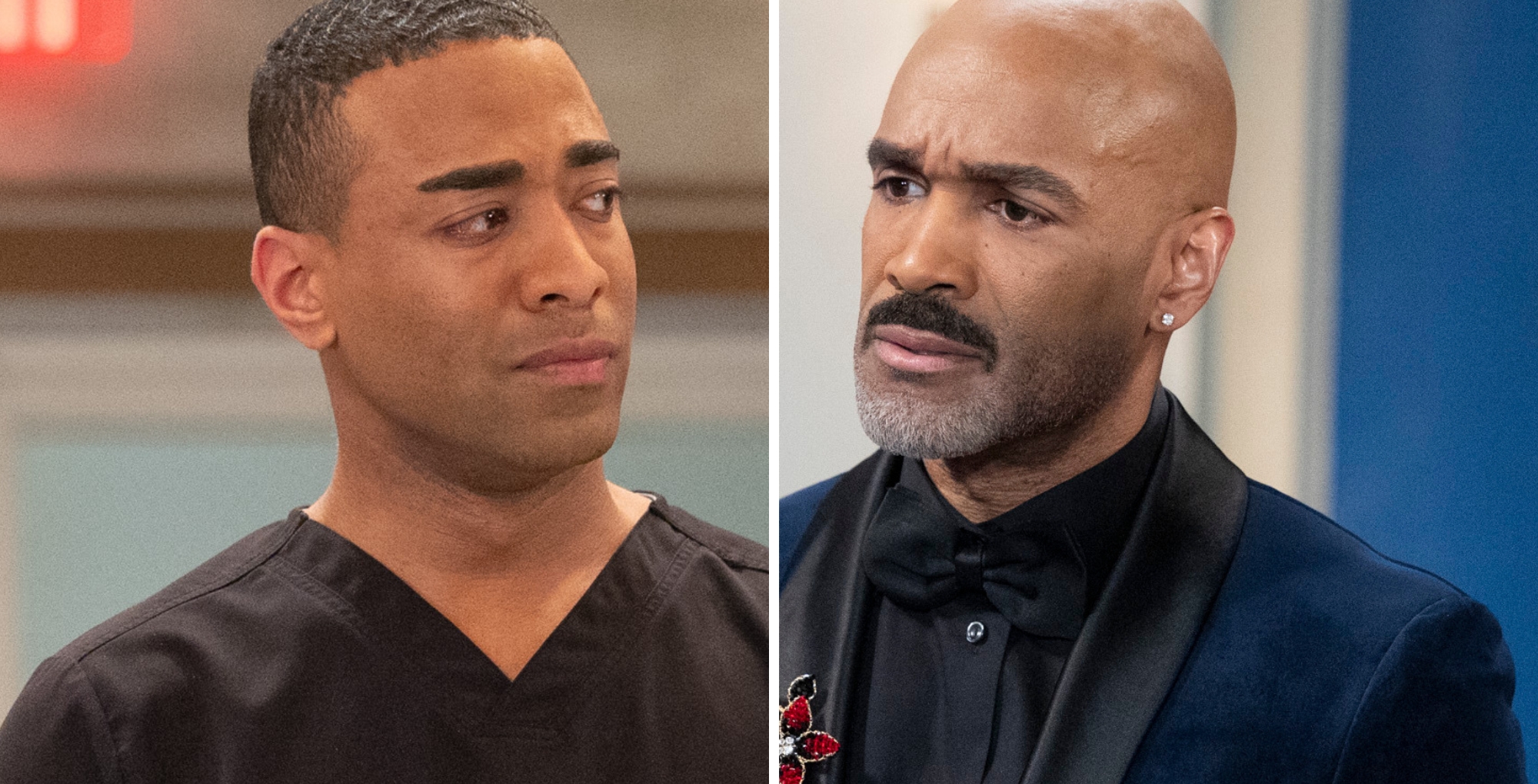
Curtis is being offered a plea deal, and on paper, it looks like the most practical escape route. A reduced sentence, fewer risks than a trial, and a clearer path back to freedom. But this is where the emotional weight of the storyline truly begins to unfold. Accepting the deal would mean time away—time that cannot be recovered, especially now that a newborn child has entered his life.
That’s where the conflict becomes heartbreaking.
Curtis is not just a man facing prison; he is also a father at the very beginning of his child’s life. Every moment away from that baby carries consequences that cannot be undone. First smiles, first cries, first nights of sleepless bonding—these are moments that don’t pause for legal troubles. They happen once, and only once.
If Curtis accepts the plea, even a short sentence means he will miss irreplaceable milestones. And that possibility is weighing heavily on him. The idea of returning to a child who has already grown, changed, and formed bonds without him is almost unbearable.
But refusing the deal is not necessarily a better option.
If Curtis chooses to fight the charges and go to trial, the risks multiply. Trials are unpredictable, and even a strong defense can fall apart with a single damaging testimony or overlooked detail. What might start as a short sentence under a plea bargain could escalate into years behind bars if the verdict goes against him. In that scenario, Curtis wouldn’t just be missing early milestones—he could be absent from most of his child’s early development entirely.
This is the impossible dilemma at the center of the story: a guaranteed loss versus a potentially greater one.
Inside his mind, Curtis is also battling something deeper than legal strategy—regret. The anger that led him to attack Isaiah is now the source of his greatest fear. He understands that if he had paused for even a moment longer, everything could be different. Instead, one impulsive decision has created a ripple effect that now threatens every relationship in his life.
The emotional tension is not limited to Curtis alone. Those closest to him are being pulled into the aftermath. Portia Robinson is watching someone she still cares about stand at the edge of a devastating downfall, unsure how to reach him or influence his next move. Their complicated history makes the situation even more emotionally charged, as concern and frustration mix in equal measure.
Meanwhile, Trina Robinson is caught in the middle of the chaos. She is forced to witness the fallout from a mistake that is affecting multiple people she loves. For Trina, this isn’t just about legal consequences—it’s about watching a family structure she cares about fracture under pressure.
But perhaps the most quietly powerful emotional thread in this storyline involves the baby at the center of it all. The child has done nothing wrong, yet is already at risk of being impacted by decisions made in anger, fear, and pride. Whether Curtis is present or absent during these early months will shape not only his bond with the child, but also the dynamics of who steps in during his absence.
And that brings an uncomfortable possibility into focus.
If Curtis is incarcerated, even temporarily, someone else will naturally begin to fill the gaps left behind. Life in Port Charles doesn’t pause, and relationships evolve through presence. The more time someone spends showing up, supporting, and being consistent, the stronger their bond becomes.
This is where Isaiah’s presence becomes especially significant. While there is no suggestion that Isaiah intends to replace Curtis, the reality is that proximity and consistency matter. If Isaiah is around during those early stages of the baby’s life, offering support or simply being present in everyday moments, a bond could form naturally over time. And that shift—slow, subtle, and unintended—could permanently alter family dynamics.
For Curtis, that thought is almost unbearable. Not because of jealousy, but because of loss. The idea that someone else might witness first smiles, first milestones, and first bonding moments is a consequence he cannot control once he is removed from the situation.
That loss of control is what makes the plea decision even more agonizing.
At first, Curtis may be tempted to reject the deal entirely, driven by pride and the desire to prove his innocence. But pride is exactly what got him here. The courtroom does not reward emotional certainty—it rewards preparation, strategy, and luck. And luck is never guaranteed.
A trial could clear him completely, but it could also magnify his punishment. That uncertainty is what makes the plea deal increasingly difficult to ignore. It may represent loss, but it also represents limitation—a known consequence instead of an unpredictable disaster.
Still, Curtis is not thinking like a man evaluating statistics. He is thinking like a father trying to protect a future that has barely begun. And that emotional pull is stronger than any legal argument.
Around him, the pressure continues to mount. Friends and loved ones may offer advice, but ultimately the decision rests on Curtis alone. What he chooses next will determine not just the length of his sentence, but the shape of his entire relationship with his child moving forward.
As the story unfolds, it becomes clear that this isn’t just a legal drama—it’s a story about identity, responsibility, and irreversible consequences. Curtis is being forced to confront the reality that adulthood, especially fatherhood, comes with decisions that cannot be undone.
Every option in front of him carries pain. Accepting the plea means immediate loss of time with his child. Rejecting it means risking even greater separation in the future. There is no perfect path forward—only the least damaging one.
And that is what makes this storyline so compelling inside General Hospital. It’s not about dramatic explosions or sudden twists alone. It’s about the quiet devastation of choices that permanently reshape lives.
Curtis now stands at a crossroads that will define his future, his family, and his relationship with fatherhood itself. Whether he chooses the certainty of a plea deal or the gamble of a trial, the outcome will ripple through everyone connected to him—Portia, Trina, Isaiah, and most of all, his child.
In the end, this is not just a story about prison. It’s about consequences that cannot be reversed, and the painful truth that sometimes doing the right thing still feels like losing.
Curtis still has a decision to make—but no matter what he chooses, nothing in Port Charles will ever be the same again.